
In today's fast-paced world, many people only visit a healthcare provider when they experience pain, discomfort, or noticeable symptoms. Unfortunately, waiting until symptoms appear can significantly reduce the chances of successful treatment for many serious health conditions. This is why early detection remains one of the most powerful tools in modern medicine.
From cancer and heart disease to diabetes and kidney disease, identifying illnesses in their earliest stages can dramatically improve treatment outcomes, lower healthcare costs, and most importantly, save lives.
Whether you're searching for a trusted medical clinic, diagnostic center, hospital, or specialist doctor, understanding the value of preventive healthcare can help you make informed decisions about your well-being.
Early detection refers to identifying a disease or medical condition before symptoms become severe or even before they appear at all. This is typically achieved through:
Routine medical checkups
Preventive health screenings
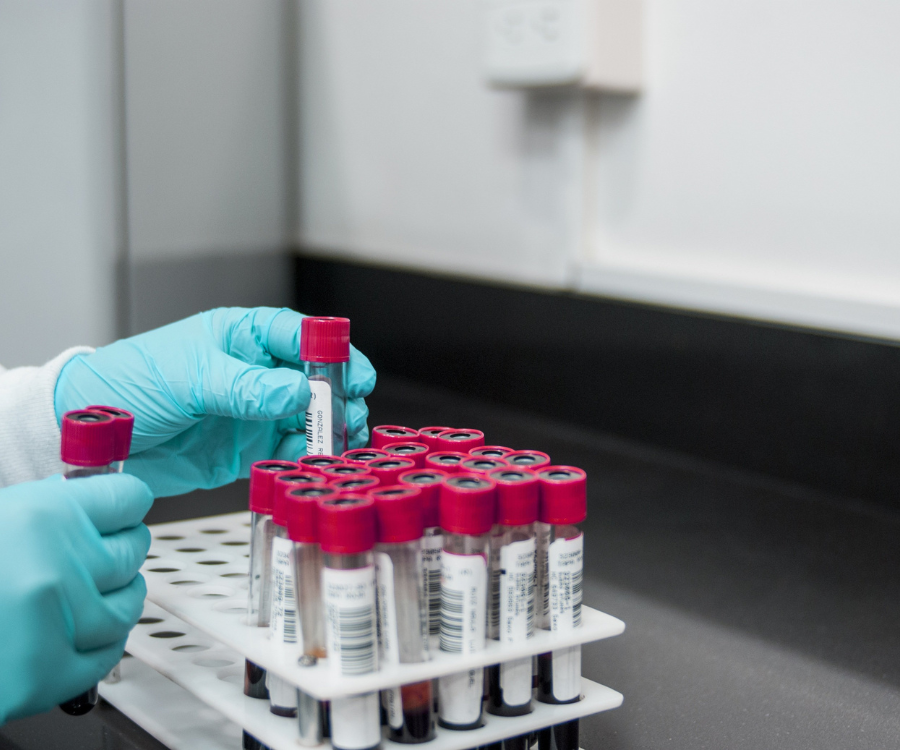
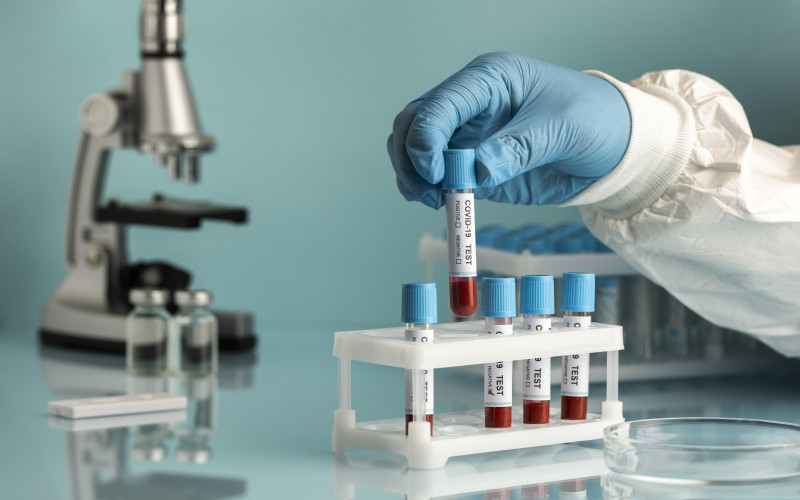
Laboratory tests
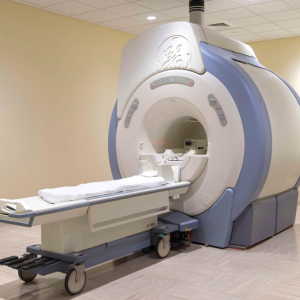
Diagnostic imaging
Regular physical examinations
Health risk assessments
The primary goal is to diagnose diseases at an early stage when treatment is usually simpler, less invasive, more affordable, and significantly more effective.
Healthcare professionals consistently emphasize that prevention is better than cure because many chronic illnesses develop silently over several years before causing obvious symptoms.
Many serious illnesses begin quietly. During the early stages, they often affect only a small part of the body and have not yet spread or caused permanent damage.
For example:
Early-stage breast cancer has significantly higher survival rates than advanced breast cancer.
Colon cancer detected during routine screening is highly treatable.
High blood pressure can be controlled before causing heart attacks or strokes.
Diabetes can often be managed before serious complications develop.
The earlier a disease is diagnosed, the more treatment options become available.
One of the biggest reasons healthcare providers recommend regular screenings is because survival rates improve dramatically with early diagnosis.
For many cancers, including:
Breast cancer
Cervical cancer
Prostate cancer
Colorectal cancer
Skin cancer
patients diagnosed early often experience much better long-term outcomes compared to those diagnosed after symptoms become severe.
Similarly, early detection of cardiovascular disease helps reduce the risk of fatal heart attacks and strokes.
Advanced illnesses are generally much more expensive to treat.
When diseases progress unchecked, patients may require:
Multiple surgeries
Long hospital stays
Intensive care
Chemotherapy
Dialysis
Rehabilitation
Lifelong medications
In contrast, identifying a condition early often means less complex treatments, fewer hospital visits, and lower medical expenses.
Preventive healthcare is not only life-saving—it is also cost-effective.
Living with an advanced disease can significantly affect daily life.
Late diagnosis often leads to:
Chronic pain
Reduced mobility
Fatigue
Emotional stress
Disability
Financial strain
Early treatment helps preserve physical function and allows individuals to continue working, caring for their families, and enjoying a higher quality of life.
Cancer remains one of the leading causes of death worldwide. Fortunately, many cancers can be detected before symptoms appear.
Recommended cancer screenings may include:
Mammograms
Pap smears
HPV testing
Colonoscopy
Prostate-specific antigen (PSA) tests
Skin examinations
Low-dose CT scans for eligible smokers
Routine cancer screening significantly improves treatment success.
Type 2 diabetes often develops gradually.
Many people live with elevated blood sugar for years without realizing it.
Early diagnosis helps prevent complications such as:
Kidney disease
Vision loss
Nerve damage
Heart disease
Foot ulcers
Simple blood tests during annual health checkups can detect diabetes before complications occur.
Hypertension is often called the "silent killer" because it usually has no noticeable symptoms.
Without regular blood pressure monitoring, individuals may not discover they have hypertension until they experience:
Stroke
Heart attack
Kidney failure
Heart failure
Routine blood pressure checks can identify the condition early, allowing effective treatment through medication and lifestyle changes.
Cardiovascular disease remains a leading cause of death globally.
Early detection may involve:
Blood pressure testing
Cholesterol screening
Electrocardiograms (ECG)
Echocardiograms
Stress testing
Cardiac imaging
Managing risk factors early significantly reduces cardiovascular complications.
Chronic kidney disease develops slowly and often goes unnoticed.
Simple urine and blood tests can identify kidney problems before permanent damage occurs.
Early treatment may delay or even prevent kidney failure.
Routine eye examinations can detect:
Glaucoma
Cataracts
Diabetic retinopathy
Macular degeneration
Early intervention helps preserve vision and prevent blindness.
Preventive screenings play a vital role in identifying hidden health problems.
Common health screening services include:
Blood pressure checks
Blood sugar testing
Cholesterol testing
Complete blood count (CBC)
Liver function tests
Kidney function tests
Thyroid function tests
Body mass index (BMI) assessment
Vision screening
Hearing tests
Dental examinations
Healthcare providers recommend personalized screening schedules based on age, family history, gender, and lifestyle.
The simple answer is everyone.
However, regular health screenings become especially important for people who:
Are over 40 years old
Have a family history of chronic illness
Smoke
Drink alcohol excessively
Have obesity
Live a sedentary lifestyle
Have high cholesterol
Have diabetes
Have high blood pressure
Experience persistent fatigue or unexplained symptoms
Even healthy individuals benefit from annual wellness examinations.
Although preventive screening is ideal, some symptoms require immediate medical attention.
Seek prompt evaluation if you experience:
Unexplained weight loss
Persistent cough
Blood in urine or stool
Severe headaches
Chest pain
Difficulty breathing
Persistent fatigue
Changes in bowel habits
New lumps or swelling
Persistent abdominal pain
Ignoring warning signs can allow serious diseases to progress.
Early detection is only one part of maintaining good health.
Healthy habits also reduce the risk of developing chronic diseases.
These include:
Choose foods rich in:
Fruits
Vegetables
Whole grains
Lean protein
Healthy fats
Limit processed foods, excessive sugar, and unhealthy fats.
Aim for at least 150 minutes of moderate physical activity every week.
Exercise helps prevent:
Heart disease
Diabetes
Obesity
High blood pressure
Smoking increases the risk of:
Lung cancer
Heart disease
Stroke
Chronic obstructive pulmonary disease (COPD)
Quitting smoking significantly improves long-term health.
Excessive alcohol use contributes to:
Liver disease
Certain cancers
High blood pressure
Mental health disorders
Moderation is essential.
Adults generally need 7–9 hours of quality sleep each night.
Poor sleep is linked to obesity, diabetes, heart disease, and weakened immunity.
Chronic stress negatively affects physical and mental health.
Healthy coping strategies include:
Exercise
Meditation
Counseling
Social support
Relaxation techniques
Finding a qualified healthcare provider makes preventive care easier and more effective.
A reliable medical service listing website helps patients compare:
Hospitals
Medical clinics
Family physicians
Specialist doctors
Diagnostic centers
Imaging centers
Laboratories
Dental clinics
Eye clinics
Urgent care centers
Patients can review services, locations, specialties, operating hours, and contact information before booking appointments.
Having quick access to trusted healthcare providers encourages regular health screenings and timely medical consultations.
Medical directories simplify the process of finding quality healthcare.
Patients can search by:
Medical specialty
Location
Health condition
Insurance acceptance
Clinic ratings
Available services
Appointment availability
Instead of delaying care, individuals can quickly locate nearby providers for preventive screenings, laboratory tests, specialist consultations, and follow-up care.
Improved accessibility leads to earlier diagnosis and better health outcomes.
Most healthy adults should schedule a comprehensive medical checkup once a year. People with chronic illnesses or higher risk factors may require more frequent visits, as advised by their healthcare provider.
Early detection does not always prevent disease, but it greatly improves the chances of successful treatment and can prevent serious complications from developing.
Yes. Many serious conditions, including high blood pressure, diabetes, kidney disease, and certain cancers, can develop without noticeable symptoms. Routine screenings can identify these issues before they become advanced.
Routine screenings often include blood pressure measurement, blood sugar testing, cholesterol checks, complete blood count, kidney and liver function tests, body mass index assessment, and age-appropriate cancer screenings. Your healthcare provider may recommend additional tests based on your medical history and risk factors.
Early detection has transformed modern healthcare by enabling doctors to diagnose diseases before they become life-threatening. Regular medical checkups, preventive screenings, and timely diagnostic testing can identify health problems when they are most treatable, reducing complications and improving survival rates.
Whether you are due for your annual physical, searching for a trusted diagnostic center, or looking for a specialist doctor, taking action today could make a significant difference to your future health.
A reliable medical service listing website makes it easier to find qualified healthcare providers, compare medical facilities, and book appointments for preventive care. By prioritizing regular health screenings and partnering with experienced healthcare professionals, you can take proactive steps toward protecting your health and helping ensure a longer, healthier life.
Primary Keywords:
early detection saves lives
early disease detection
preventive healthcare
health screening
medical checkup
routine health checkup
preventive health screening
diagnostic center
healthcare provider
medical clinic
Secondary Keywords:
cancer screening
diabetes screening
heart disease prevention
blood pressure screening
annual physical examination
preventive care
laboratory tests
specialist doctor
healthcare services
medical service listing
hospitals near me
healthcare directory
book doctor appointment
find a doctor
medical diagnostics
Subscribe to our newsletter and don’t miss anything