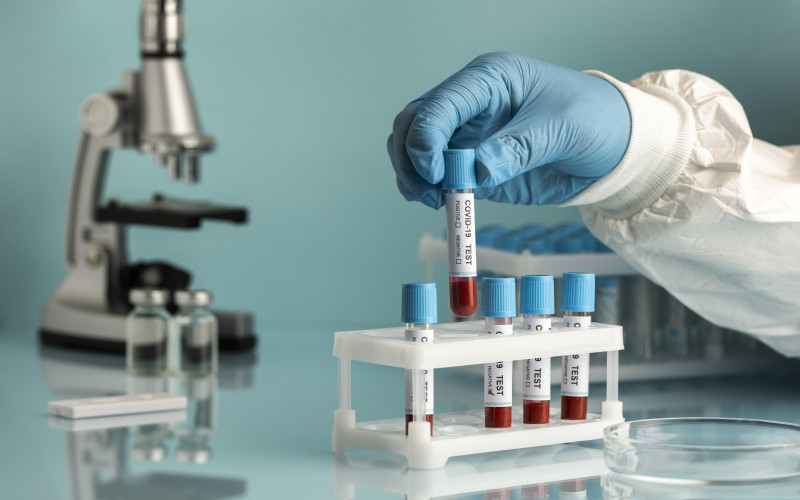

Blood tests are among the most common medical procedures used to assess overall health, diagnose diseases, monitor ongoing conditions, and evaluate how well treatments are working. Whether you're having a routine health checkup or investigating specific symptoms, understanding your blood test results can help you take a more active role in your healthcare.
Many people receive their lab reports and feel overwhelmed by unfamiliar medical terms, abbreviations, and numerical values. While only a healthcare professional can accurately diagnose medical conditions, learning what common blood tests measure can help you better understand your health status.
In this guide, we'll explain the most common blood tests, what they measure, and what abnormal results may indicate.
Blood carries oxygen, nutrients, hormones, and waste products throughout the body. Because it interacts with nearly every organ and system, analyzing blood can provide valuable insights into your overall health.
Doctors use blood tests to:
A Complete Blood Count (CBC) is one of the most frequently ordered blood tests. It evaluates various components of your blood.
Red blood cells transport oxygen throughout the body.
High RBC Count May Indicate:
Low RBC Count May Indicate:
White blood cells help fight infections.
High WBC Count May Indicate:
Low WBC Count May Indicate:
Hemoglobin is the protein that carries oxygen in red blood cells.
Low hemoglobin levels often suggest anemia.
This measures the percentage of blood made up of red blood cells.
Abnormal levels may indicate dehydration, anemia, or other blood disorders.
Platelets help blood clot properly.
High Platelet Count May Suggest:
Low Platelet Count May Suggest:
The Basic Metabolic Panel evaluates important substances in the blood and provides information about kidney function, electrolyte balance, and metabolism.
Measures blood sugar levels.
High glucose levels may indicate:
Low glucose levels may result from:
Calcium is essential for bones, muscles, nerves, and heart function.
Abnormal levels may indicate:
These include:
Electrolyte imbalances may affect:
The CMP includes all BMP tests plus additional measurements that assess liver function and protein levels.
A protein produced by the liver.
Low levels may suggest:
Measures proteins circulating in the blood.
Abnormal results may indicate:
Common enzymes measured include:
Elevated levels may indicate liver damage or disease.
A lipid panel measures fats in the bloodstream and helps assess cardiovascular health.
High cholesterol levels can increase the risk of heart disease.
LDL can build up in arteries, leading to plaque formation and increased cardiovascular risk.
Lower LDL levels are generally considered healthier.
HDL helps remove excess cholesterol from the bloodstream.
Higher HDL levels are usually beneficial.
These are a type of fat stored for energy.
High triglyceride levels may increase the risk of:
Blood glucose tests help diagnose and monitor diabetes.
Measures blood sugar after fasting for at least 8 hours.
The Hemoglobin A1c test reflects average blood sugar levels over approximately three months.
The thyroid gland regulates metabolism, energy levels, and body temperature.
TSH is often the first test used to assess thyroid function.
These hormones help confirm thyroid disorders and assess severity.
Iron tests evaluate iron levels and help diagnose anemia and related conditions.
Ferritin reflects the body's iron stores.
May indicate:
May indicate:
Nutritional deficiencies can significantly affect overall health.
Low vitamin D levels may contribute to:
Vitamin B12 is essential for:
Deficiency may cause:
Kidney function tests evaluate how well your kidneys filter waste from the bloodstream.
Creatinine is a waste product produced by muscles.
Elevated levels may indicate impaired kidney function.
BUN measures nitrogen waste in the blood.
High levels may suggest:
eGFR estimates kidney filtration efficiency.
Lower values may indicate kidney dysfunction.
These tests help evaluate liver health and detect liver disease.
Elevated levels may indicate:
High bilirubin levels can cause jaundice and may signal liver or bile duct problems.
Inflammation can be associated with infections, autoimmune diseases, and chronic illnesses.
CRP rises when inflammation is present in the body.
High levels may indicate:
An elevated ESR may suggest ongoing inflammation.
Abnormal results do not always mean you have a serious illness. Several factors can affect blood test outcomes, including:
Your healthcare provider will interpret your results alongside your symptoms, medical history, and physical examination findings.
For the most accurate results:
You can understand what the measurements mean, but only a healthcare professional can accurately diagnose conditions based on your results.
The frequency depends on your age, health status, risk factors, and medical history. Many adults benefit from routine blood testing during annual checkups.
Not necessarily. Minor variations can occur due to temporary factors such as illness, hydration status, or medications.
Blood tests provide valuable information about your overall health and can help detect medical conditions before symptoms appear. Common tests such as the Complete Blood Count (CBC), Lipid Panel, Comprehensive Metabolic Panel (CMP), Thyroid Function Tests, and Blood Glucose Tests offer important insights into the functioning of your body's major systems.
Understanding what these tests measure and what abnormal results may indicate can help you have more informed discussions with your healthcare provider. However, blood test results should always be interpreted in the context of your individual health situation by a qualified medical professional.
Regular health screenings and blood work remain some of the most effective tools for maintaining long-term health and preventing disease.
Subscribe to our newsletter and don’t miss anything