Medical imaging has transformed modern healthcare, allowing doctors to see inside the human body without surgery. Among the most commonly used diagnostic imaging techniques are the CT Scan (Computed Tomography) and MRI (Magnetic Resonance Imaging). While both are powerful tools that help diagnose a wide range of conditions, they work in very different ways and are used for different medical purposes.
If your doctor has recommended one of these scans, you may be wondering: What's the difference? Which one is better? Which test do I actually need? Understanding the strengths and limitations of each imaging method can help you feel more informed and prepared.
In this guide, we'll break down everything you need to know about CT scans and MRIs, including how they work, what they detect, their advantages, disadvantages, costs, and when one is preferred over the other.
Before comparing CT scans and MRIs, it's important to understand their purpose.
Medical imaging allows healthcare professionals to create detailed pictures of structures inside the body. These images help diagnose injuries, diseases, infections, tumors, and other medical conditions without invasive procedures.
Both CT scans and MRIs provide detailed images, but the technology behind them is completely different.
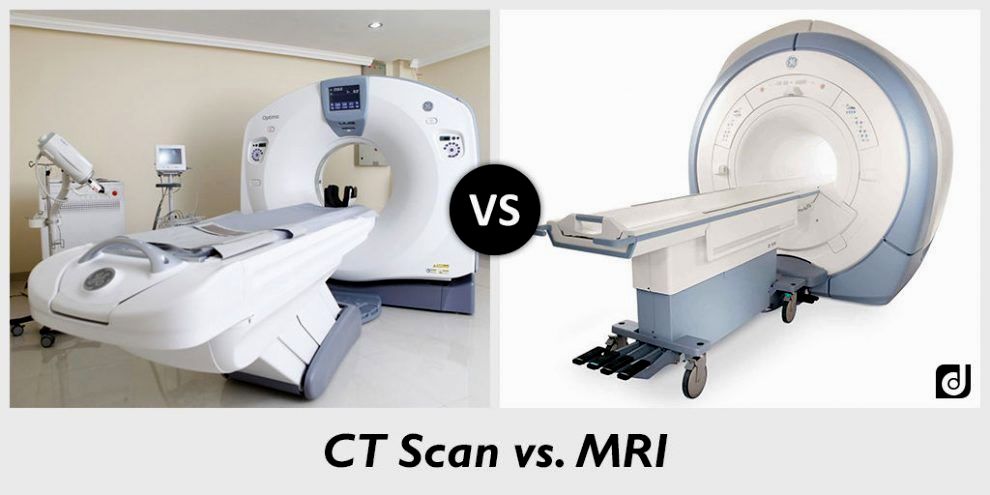
A CT (Computed Tomography) scan combines X-ray technology with computer processing to create cross-sectional images of the body.
Instead of taking a single X-ray image, a CT scanner rotates around the patient and captures multiple images from different angles. A computer then combines these images into detailed slices, allowing doctors to view organs, bones, blood vessels, and tissues in greater detail.
During a CT scan:
The patient lies on a motorized table.
The table moves through a doughnut-shaped scanner.
X-rays rotate around the body.
A computer generates detailed images from the collected data.
The procedure is typically painless and often takes between 5 and 15 minutes.
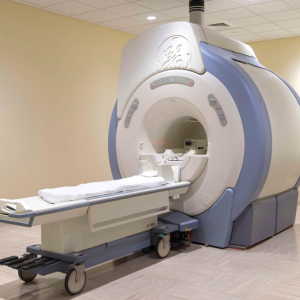
MRI stands for Magnetic Resonance Imaging.
Unlike CT scans, MRIs do not use radiation. Instead, they use powerful magnets, radio waves, and computer technology to produce highly detailed images of organs, soft tissues, nerves, muscles, and the brain.
During an MRI:
The patient lies inside a large tube-like machine.
Strong magnetic fields align hydrogen atoms in the body.
Radiofrequency pulses temporarily disturb these atoms.
As the atoms return to their original position, they emit signals.
A computer converts these signals into detailed images.
MRI scans usually take between 20 and 60 minutes, depending on the area being examined.
Although both tests produce detailed images, their applications vary significantly.
CT Scan
Uses X-rays and computer processing
Involves exposure to ionizing radiation
MRI
Uses magnetic fields and radio waves
No radiation exposure
CT Scan
Extremely fast
Often completed in minutes
Ideal for emergency situations
MRI
Takes longer
May require 30 to 60 minutes or more
When speed matters, such as after an accident or stroke, CT scans are usually preferred.
CT Scans
Excellent for imaging bones
Useful for detecting fractures
Good for evaluating internal bleeding
MRIs
Superior for soft tissue imaging
Better for muscles, ligaments, tendons, nerves, and brain structures
One of the biggest differences is radiation.
CT scans use X-rays, which expose patients to a small amount of radiation.
MRI scans use no radiation whatsoever.
For patients requiring multiple scans over time, especially children and young adults, doctors may prefer MRI when appropriate.
CT scans are often the first choice when doctors need quick, accurate information.
Emergency Injuries
CT scans can rapidly identify:
Broken bones
Internal bleeding
Organ damage
Skull fractures
Stroke Assessment
In emergency stroke cases, a CT scan can quickly determine whether bleeding is occurring in the brain.
Lung Conditions
CT scans are highly effective for detecting:
Pneumonia
Lung cancer
Pulmonary embolisms
Chronic lung diseases
Cancer Detection
Doctors use CT scans to:
Detect tumors
Measure tumor size
Monitor treatment progress
Abdominal Problems
CT imaging can diagnose:
Kidney stones
Appendicitis
Bowel obstruction
Internal infections
MRI is usually preferred when highly detailed images of soft tissues are needed.
Brain and Nervous System Disorders
MRI is often the gold standard for diagnosing:
Brain tumors
Multiple sclerosis
Epilepsy
Spinal cord injuries
Neurological disorders
Joint and Sports Injuries
MRIs can clearly visualize:
Torn ligaments
Cartilage damage
Tendon injuries
Muscle tears
This is why athletes frequently undergo MRI examinations.
Spine Problems
Doctors often order MRIs to evaluate:
Herniated discs
Nerve compression
Chronic back pain
Spinal abnormalities
Heart and Blood Vessel Conditions
MRI can assess:
Heart muscle damage
Congenital heart defects
Blood vessel abnormalities
Cancer Evaluation
MRI provides exceptional detail for certain cancers, particularly involving:
Brain
Breast
Liver
Prostate
Soft tissues
There is no universal winner because accuracy depends on what doctors are looking for.
Bone fractures
Internal bleeding
Lung diseases
Emergency trauma
Kidney stones
Brain disorders
Nerve injuries
Soft tissue damage
Ligament tears
Spinal cord abnormalities
The "best" test depends entirely on the medical condition being investigated.
CT scans can often be completed in minutes, making them invaluable in emergencies.
Most hospitals and diagnostic centers have CT scanners.
CT provides exceptional detail of skeletal structures.
In many regions, CT scans are generally less expensive than MRIs.
Repeated exposure to radiation can increase long-term health risks.
CT scans may miss subtle abnormalities that MRI can detect.
Some CT scans require contrast dye, which may cause allergic reactions or affect kidney function in certain patients.
MRI is considered safer for repeated imaging because it does not use ionizing radiation.
MRI provides remarkable detail of muscles, nerves, ligaments, and internal organs.
For many brain and spinal conditions, MRI offers unmatched diagnostic accuracy.
Patients may need to remain still for extended periods.
The enclosed MRI machine can make some people uncomfortable.
MRI scans are generally costlier than CT scans.
People with certain implanted devices or metal fragments may not be eligible for MRI.
The cost of these procedures varies depending on location, facility, and insurance coverage.
Generally:
CT scans tend to be less expensive.
MRI scans are often more costly due to advanced technology and longer examination times.
However, healthcare providers choose the test based on diagnostic needs rather than price alone.
Patients usually:
Lie on a moving table
Hold their breath briefly when instructed
Complete the scan within minutes
The process is quick and comfortable for most individuals.
Patients should expect:
Loud knocking or tapping sounds
Longer examination times
The need to remain very still
Many facilities provide headphones or music to improve comfort.
Absolutely.
In some cases, doctors order both CT and MRI scans because each provides different information.
For example:
A CT scan may quickly identify an emergency issue.
An MRI may later provide a more detailed assessment of soft tissue damage.
Rather than competing technologies, they often complement each other.
Healthcare providers consider several factors, including:
Your symptoms
Medical history
Urgency of the situation
Area of the body being examined
Presence of implants or medical devices
Need to minimize radiation exposure
The decision is based on which imaging technique will provide the most useful diagnostic information.
When it comes to CT scans versus MRIs, there is no one-size-fits-all answer. Both imaging methods are essential tools in modern medicine, each offering unique advantages.
A CT scan is often the preferred choice for emergencies, bone injuries, lung conditions, and situations where speed is critical. An MRI excels in evaluating soft tissues, neurological disorders, spinal problems, and complex musculoskeletal injuries.
The most important thing to remember is that your doctor chooses the imaging test based on your specific condition and diagnostic needs. Rather than asking which scan is "better," the more relevant question is: Which scan will provide the clearest answers for my health concern?
By understanding the differences between CT scans and MRIs, patients can approach their medical journey with greater confidence, knowing what to expect and why a particular test has been recommended.
Subscribe to our newsletter and don’t miss anything