
The heart is one of the most vital organs in the human body, working continuously to pump blood, oxygen, and nutrients to every part of the body. When the heart or blood vessels are affected by disease, timely diagnosis and treatment can make a significant difference in preventing serious complications. This is where a cardiologist plays a crucial role.
Many people hear the term "cardiologist" but are unsure of what these specialists do or when they should schedule an appointment. Whether you're experiencing chest pain, high blood pressure, irregular heartbeats, or simply want to protect your heart health, understanding the role of a cardiologist can help you make informed healthcare decisions.
For anyone searching for a cardiologist in Nigeria or looking for trusted heart disease treatment in Nigeria, a reliable medical services directory like ours findmedicalservices.com can help you find qualified specialists, cardiac clinics, diagnostic centres, and hospitals that provide comprehensive cardiovascular care.
A cardiologist is a medical doctor who specializes in diagnosing, treating, and preventing diseases affecting the heart and blood vessels, collectively known as the cardiovascular system.
After completing medical school, cardiologists undergo several years of additional specialist training in cardiovascular medicine. Their expertise enables them to evaluate heart-related symptoms, interpret diagnostic tests, manage chronic heart conditions, and develop treatment plans tailored to each patient's needs.
While cardiologists manage many heart conditions with medication and lifestyle guidance, some procedures or surgeries may require referral to a cardiac surgeon or another specialist.
A cardiologist focuses on maintaining heart health and treating cardiovascular diseases before they become life-threatening.
Their responsibilities include:
Diagnosing heart diseases
Evaluating chest pain
Managing high blood pressure
Treating heart rhythm disorders
Monitoring heart failure
Preventing heart attacks and strokes
Interpreting heart tests
Prescribing medications
Recommending lifestyle changes
Coordinating long-term cardiac care
They also work closely with general practitioners, emergency physicians, endocrinologists, nephrologists, and other healthcare professionals to provide comprehensive patient care.
Cardiologists diagnose and manage a wide range of heart and circulatory conditions.
Persistent high blood pressure increases the risk of heart disease, stroke, kidney disease, and other complications.
A cardiologist helps patients control blood pressure through:
Lifestyle recommendations
Regular monitoring
Prescription medications
Risk assessment
Early treatment significantly reduces long-term cardiovascular risks.
Coronary artery disease occurs when the arteries supplying blood to the heart become narrowed or blocked by fatty deposits.
Symptoms may include:
Chest pain (angina)
Shortness of breath
Fatigue during physical activity
Heart attack in severe cases
Cardiologists diagnose the condition and recommend appropriate treatment to improve blood flow and reduce complications.
Heart failure does not mean the heart has stopped working. Instead, it means the heart cannot pump blood as efficiently as it should.
Common symptoms include:
Swollen legs or ankles
Shortness of breath
Persistent fatigue
Difficulty exercising
Rapid weight gain due to fluid retention
With proper treatment, many people with heart failure can manage their symptoms effectively.
An arrhythmia is an abnormal heartbeat that may be too fast, too slow, or irregular.
Some arrhythmias are harmless, while others require urgent medical attention.
Symptoms may include:
Palpitations
Dizziness
Fainting
Chest discomfort
Shortness of breath
A cardiologist can identify the type of arrhythmia and recommend appropriate management.
Heart valves regulate blood flow through the heart.
When valves become narrowed or leaky, the heart must work harder to circulate blood.
Treatment depends on the severity of the condition and may involve medication, regular monitoring, or referral for specialized procedures.
Some people are born with structural abnormalities of the heart.
Cardiologists help diagnose and monitor congenital heart conditions in children and adults, working closely with other specialists where necessary.
Many heart conditions develop gradually, making early evaluation especially important.
You should consider consulting a cardiologist if you experience:
Chest pain or pressure
Persistent shortness of breath
Irregular heartbeat
Frequent dizziness or fainting
Swelling in the legs
Unexplained fatigue
High blood pressure that is difficult to control
High cholesterol
A family history of heart disease
Diabetes combined with cardiovascular risk factors
Even without symptoms, people with significant risk factors may benefit from a preventive heart assessment.
Cardiologists use several tests to evaluate heart function and identify cardiovascular problems.
An ECG records the heart's electrical activity and helps detect abnormal heart rhythms, previous heart attacks, and other cardiac conditions.
An echocardiogram uses ultrasound to create detailed images of the heart, allowing doctors to evaluate heart valves, pumping function, and structural abnormalities.
A stress test assesses how the heart performs during physical activity and may help identify reduced blood flow to the heart.
This portable device continuously records heart rhythms over 24 hours or longer to detect intermittent rhythm abnormalities.
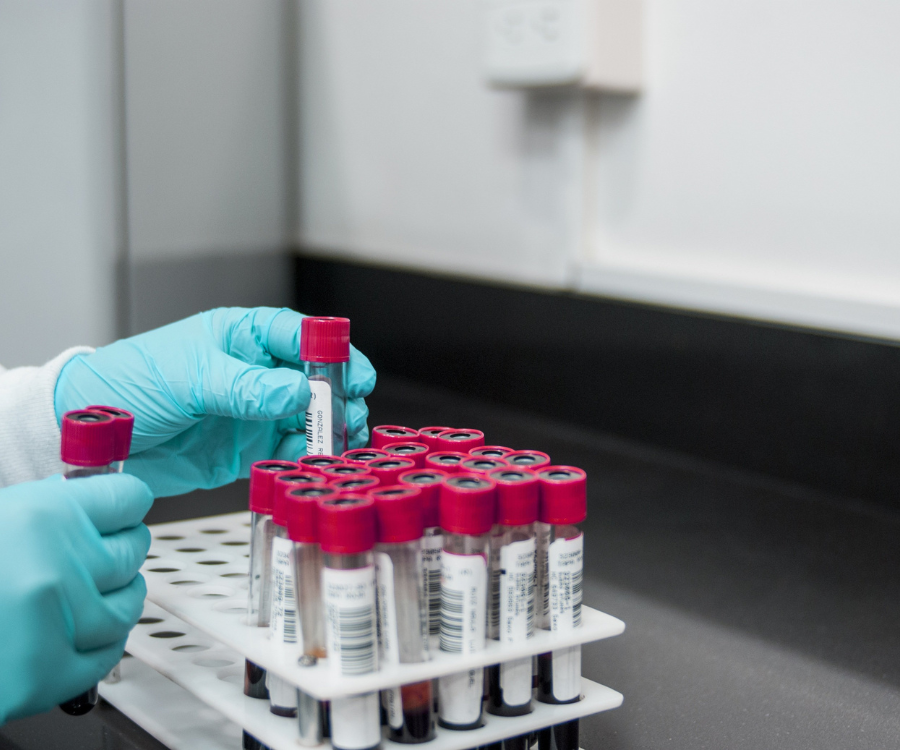
Blood tests can identify risk factors such as high cholesterol, diabetes, inflammation, and markers associated with heart damage.
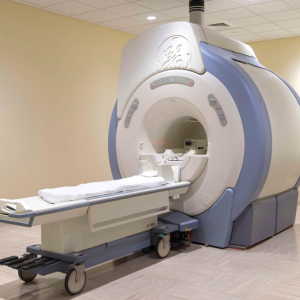
Advanced imaging techniques provide detailed views of the heart and surrounding blood vessels when additional evaluation is required.
Cardiologists do much more than treat existing disease. Preventive cardiology is an increasingly important part of cardiovascular care.
Prevention strategies may include:
Blood pressure management
Cholesterol control
Diabetes management
Weight management
Smoking cessation support
Exercise recommendations
Nutritional counselling
Regular cardiovascular risk assessments
Preventive care reduces the likelihood of heart attacks, strokes, and other serious cardiovascular events.
A healthy lifestyle remains one of the most effective ways to reduce the risk of heart disease.
Your cardiologist may recommend:
Focus on:
Fruits and vegetables
Whole grains
Lean proteins
Fish rich in omega-3 fatty acids
Healthy fats
Reduced salt intake
Limited processed foods
Regular physical activity supports healthy blood pressure, improves circulation, strengthens the heart, and helps maintain a healthy weight.
Always seek medical advice before starting a new exercise program if you have existing heart disease.
Excess weight increases the risk of hypertension, diabetes, and cardiovascular disease.
Smoking damages blood vessels and significantly increases the risk of heart attacks and strokes. Quitting smoking is one of the most important steps for protecting heart health.
Long-term stress can contribute to elevated blood pressure and unhealthy lifestyle habits. Techniques such as relaxation exercises, adequate sleep, and regular physical activity can support overall cardiovascular health.
Many people confuse cardiologists with cardiac surgeons, but their roles are different.
A cardiologist diagnoses and manages heart conditions using medications, lifestyle interventions, and non-surgical procedures.
A cardiac surgeon performs operations on the heart and major blood vessels, such as coronary artery bypass surgery or heart valve replacement.
Cardiologists often refer patients to cardiac surgeons when surgery is the most appropriate treatment option.
Access to qualified cardiac specialists is essential for early diagnosis and effective treatment of heart disease.
When searching for a cardiologist in Nigeria, consider factors such as:
Professional qualifications
Years of clinical experience
Hospital affiliation
Availability of cardiac diagnostic services
Patient reviews
Consultation hours
Location and accessibility
A trusted medical services directory in Nigeria allows patients to compare cardiologists, hospitals, cardiac clinics, and diagnostic centres in one place. This simplifies the process of finding experienced healthcare providers and scheduling appointments.
Healthcare directories have become valuable resources for people seeking specialized medical care.
Patients can use these platforms to:
Find cardiologists by location
Locate heart clinics and hospitals
Compare available cardiac services
View contact details
Check operating hours
Read verified patient reviews
Discover nearby diagnostic centres
For healthcare providers, maintaining an accurate directory listing improves online visibility and helps patients connect with trusted cardiac services.
Advances in healthcare technology are transforming cardiovascular medicine across Nigeria. Telemedicine, digital diagnostic tools, wearable heart monitors, and improved imaging technologies are expanding access to specialist care and supporting earlier diagnosis.
Public awareness of heart disease prevention is also increasing, encouraging more people to seek routine cardiovascular screening before serious symptoms develop. Combined with continued investment in healthcare infrastructure and specialist training, these developments are helping improve cardiac care across the country.
Cardiologists play a vital role in protecting heart health by diagnosing, treating, and preventing cardiovascular diseases. From managing high blood pressure and irregular heart rhythms to preventing heart attacks and providing long-term care for chronic conditions, their expertise helps patients live longer and healthier lives.
If you experience symptoms such as chest pain, persistent shortness of breath, irregular heartbeat, or have risk factors like hypertension, diabetes, or a family history of heart disease, consulting a qualified cardiologist is an important step toward safeguarding your health.
A trusted medical services directory makes it easier to find experienced cardiologists in Nigeria, heart clinics, diagnostic centres, and hospitals that offer comprehensive cardiac care. By connecting patients with verified healthcare providers, these platforms improve access to quality medical services and support better heart health outcomes for individuals and families across Nigeria.
Subscribe to our newsletter and don’t miss anything